
To prepare a Myrtle Beach vacation rental for a hurricane, find its evacuation zone, plan how guests will leave, and decide who will secure and inspect the home. Put the plan in writing before a storm approaches. Reopen when officials allow access and the home is safe for guests.
Plan for guests staying at the home, guests due to arrive, an empty house, and bookings cut short. Choose one person to manage the calendar, send guest messages, arrange vendor access, and get the owner's approval for spending. Give a backup person the information needed to take over.
Find the Rental's Evacuation Zone
South Carolina announces coastal evacuations by zone. Enter the rental's street address in the SCEMD evacuation-zone map to find its zone and exposure to storm surge, the rise in seawater pushed ashore by a storm. Save the result with the rental's address and emergency instructions.
For a condominium, locate the correct building on the map. Use the rental's exact location to find the zone; neighborhood names, mailing cities, and descriptions such as “ocean view” cover too broad an area. Look up the address again when preparing each season's plan so your instructions use the current zones.
Keep the evacuation zone, insurance flood designation, and building-access instructions clearly labeled. A written South Carolina rental management plan should identify who follows evacuation instructions for the address and the needs of everyone staying there. Prepare departure arrangements before property work so guests and workers have time to leave safely.
Ten-Point Rental Storm Preparedness Checklist
- Record the property's evacuation zone and official alert channels.
- Name a booking contact and a backup who can reach every guest.
- Save emergency contacts and essential records for offline access.
- Prepare departure instructions for current guests, including transportation needs.
- Pause arrivals when official restrictions or unsafe conditions prevent a stay.
- Assign property preparation to qualified people while access remains safe.
- Secure loose outdoor items early and keep exits clear.
- Follow official evacuation instructions; end property work in time for everyone to leave safely.
- Document booking changes, refunds, damage, and approved expenses separately.
- Keep the rental closed until officials allow access and a safe inspection supports reopening.
Set Hurricane Watch and Warning Actions
The National Hurricane Center glossary says a hurricane watch means hurricane-force winds are possible in the named area. A warning means those winds are expected. Watches are issued 48 hours before tropical-storm-force winds are expected to begin, and warnings 36 hours before that time.
Those times are measured from when tropical-storm-force winds are expected to begin, which can make outdoor preparation difficult. Set deadlines that give vendors time to finish and leave safely. Follow state and local evacuation instructions as officials issue them.
Choose who will monitor alerts, how often they will look for updates, and who will message guests. Each update should include the advisory time, affected bookings, local evacuation instructions, and the next update time. Send messages through one contact so guests receive consistent instructions.
Assign Storm Tasks Before Guests Book
Write down who will buy supplies, move outdoor furniture, install the home's existing storm protection, photograph the property, and approve emergency spending. When comparing Myrtle Beach management companies, include these responsibilities in the service agreement. Include access codes, storage locations, equipment instructions, and a firm deadline for everyone to stop work and leave safely.
For a condominium, list what the association handles, including shared spaces, elevators, building access, and common utilities. Assign someone to prepare the unit itself. A building closure can prevent guests from staying even when the unit looks undamaged.
| Storm task | Who handles it | What to save |
|---|---|---|
| Guest departure | Booking contact and backup | Guest departure confirmation and updated calendar |
| Outdoor preparation | Vendor approved to do the work | Dated checklist and photographs |
| Emergency spending | Owner or person the owner appoints | Written approval and receipts |
| Inspection before reopening | People qualified to inspect the home | Inspection findings and repairs still needed |
Keep a contact list that works without internet access, and give the backup person access to the records they need. Store policy numbers, utility contacts, vendor details, and booking information securely. Share only the guest information that people responding to the storm need.
Tell Guests When and How to Leave
Write separate messages for guests staying at the home and guests due to arrive. Tell current guests the property address, evacuation zone, official instructions, departure arrangements, emergency contact, and next update time. Keep the message short enough to read on a phone.
Ask guests to confirm that they received the message and tell you when they have left. Tell arriving guests whether check-in will go ahead, is on hold, or is canceled under the booking terms. Update every booking channel so automated arrival messages match that decision.
Guests should follow official evacuation directions and arrange travel that meets their needs. Give them prompt updates and a working contact number. For a North Myrtle Beach rental, identify the local contact responsible for those updates before the stay begins. Plan extra communication for guests who tell you about mobility, transportation, language, or medical needs. Direct requests for emergency assistance to the appropriate authorities.
Secure the Home While Access Is Safe
FEMA hurricane preparation guidance recommends clearing drains and gutters, bringing outdoor furniture inside, considering hurricane shutters, protecting important documents, and keeping several ways to receive alerts. Plan those jobs around the equipment and approved storm protection installed at your rental.
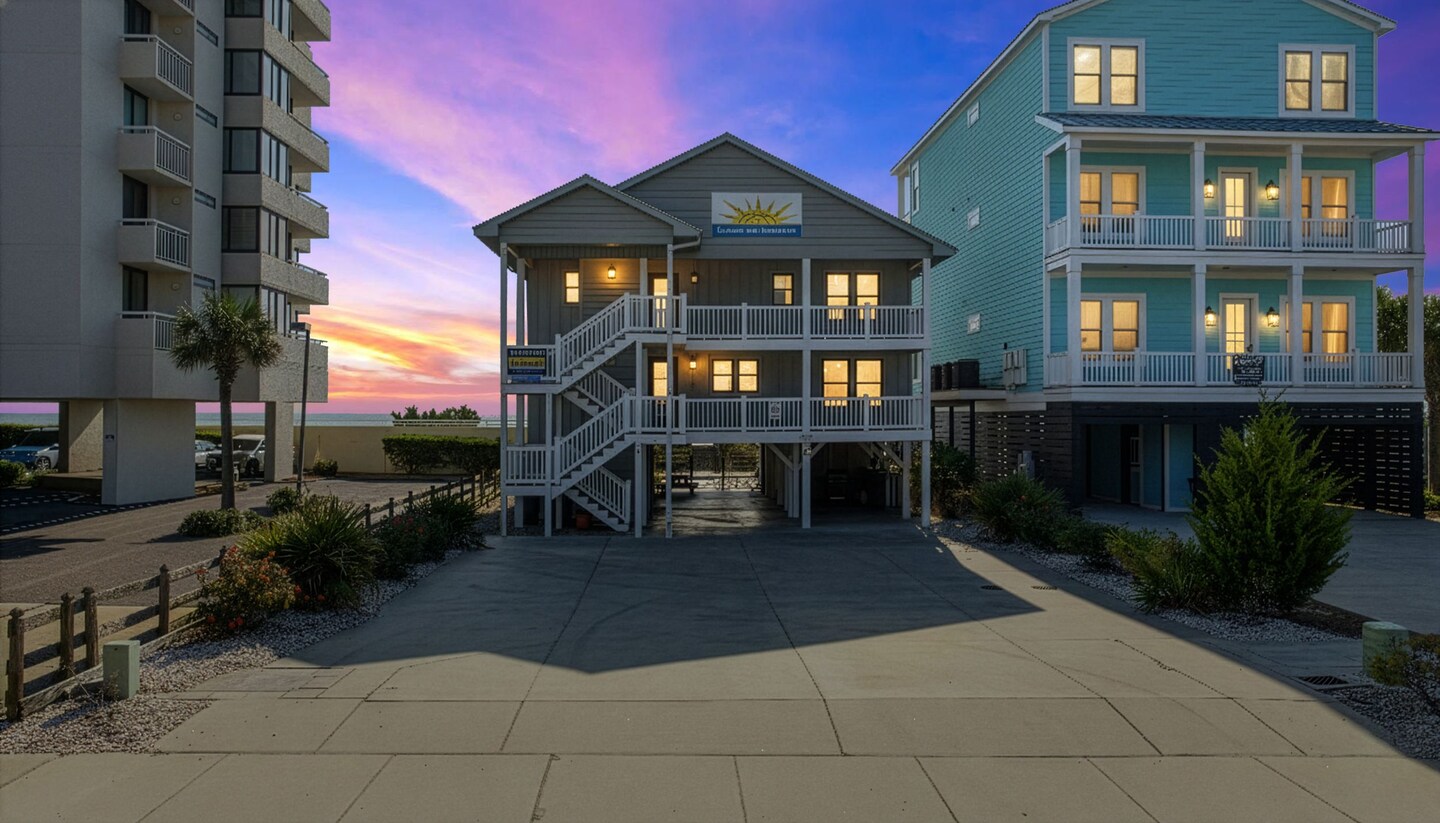
Before hurricane season, list the deck furniture, loose outdoor equipment, cushions, and stored supplies at a large beachfront house. Photograph the home before a storm, label where each item should go, and arrange enough help to move heavy furniture. Keep doors, exits, and walkways clear after moving items indoors.
Use qualified vendors for electrical work, damaged structures, or storm-protection equipment they need training to handle. Set the preparation deadline so everyone can finish and leave safely under official instructions. Guests, cleaners, and maintenance workers should leave when evacuation instructions require departure.
Follow the Booking Terms for Refunds
Cancellations and refunds depend on the reservation agreement, booking-channel rules, applicable law, and what interrupted the stay. Write down who will review the booking, approve any payment, tell the guest the decision, and update the calendar.
Save evacuation orders, closure notices, guest messages, unused nights, and approved refunds. Track guest refunds, lost rental income, repair costs, and insurance claims separately, with the documents needed for each.
Insurance coverage depends on the policy and what caused the loss. Save the policy and insurer's claim contacts before the storm, and get advice from the insurer about your own coverage. Tell guests when the rental will be available again after you know its condition and whether they can reach it safely.
Inspect the Rental Before Guests Return
Follow local officials' instructions about returning, and arrange a safe inspection once access is allowed. FEMA advises avoiding floodwater and wet electrical equipment, wearing protective clothing during cleanup, photographing damage, and contacting the insurer for help.
Inspect access to the home, visible structural damage, water leaks, electricity, water service, refrigeration, alarms, locks, and the facilities guests need. Bring in qualified professionals for suspected damage or unsafe systems. Record repairs still needed and block affected dates until the home is safe and ready for the stay you promised.
Checkmate's Myrtle Beach management starts from 10% of the nightly rate, with a 10%–15% range after property review. Homes near the beach or in strong locations favor the lower end. Owners can schedule a Myrtle Beach property consultation to discuss who will send storm updates, prepare the home, approve emergency spending, and arrange inspections before guests return.
Bottom Line
Find your rental's evacuation zone before hurricane season, give every storm task to a named person, and tell guests when and how to leave. Keep the booking terms and refund records handy as plans change. Block the calendar until officials allow access and an inspection shows the home is safe and ready for guests.