
The best smart thermostat for an Airbnb gives hosts reliable remote control without making climate settings confusing for guests. This guide compares four options by temperature limits and automation, room-sensor coverage, energy reporting, guest-friendly controls, HVAC compatibility, installation, and cost so short-term-rental operators can balance comfort, property protection, and operating savings.
The best thermostats for Airbnbs are:
- Google Nest Thermostat: Best for Simple Guest Controls
- Ecobee Smart Thermostat Premium/Enhanced: Best for Multi-Room Data
- Honeywell Home T9 WIFI Smart Thermostat: Best for Zoned Properties
- Wyze Thermostat: Best Budget Option
The 4 Best Smart Thermostats for Airbnb and Vacation Rentals
Checkmate host shortlist
Three Amazon-linked smart thermostat picks for Airbnb hosts
Compare simple guest controls, energy-focused automation, and room-specific temperature management for rental properties.
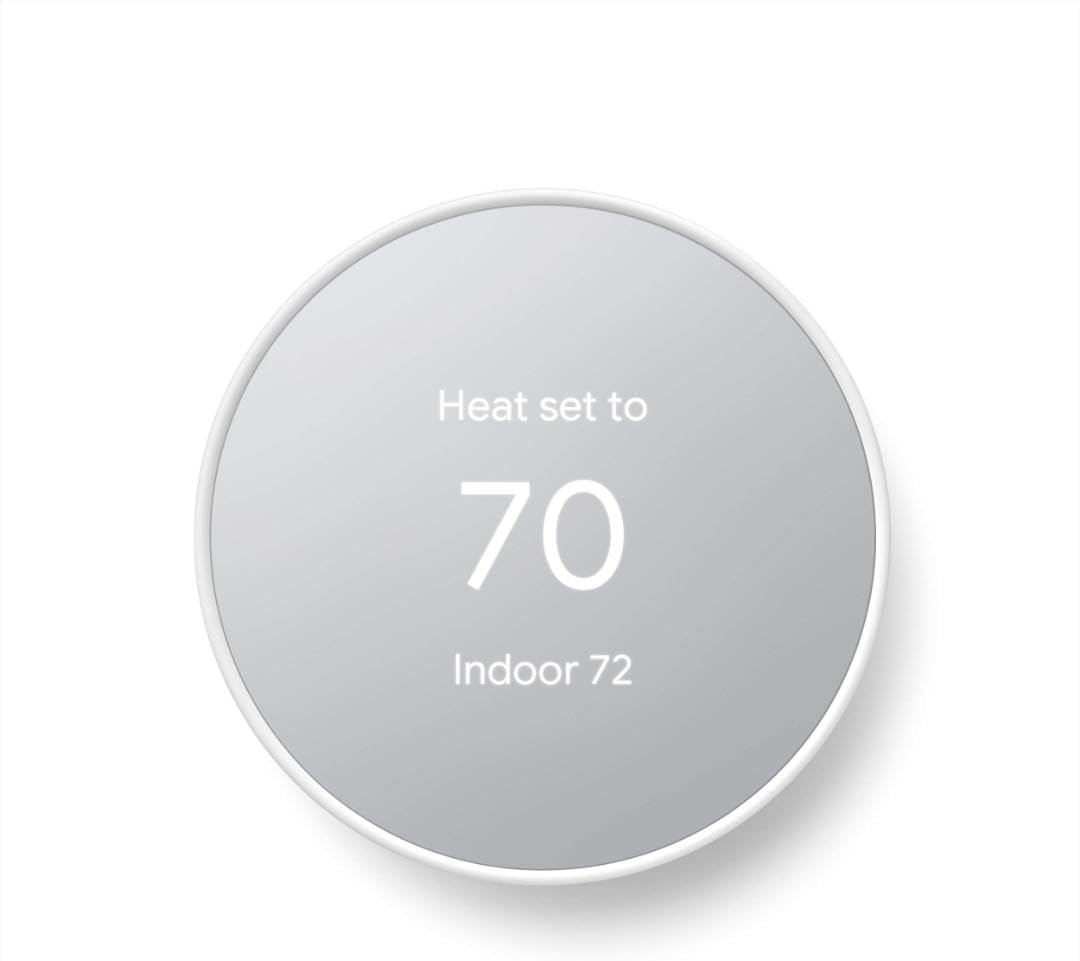 Google Nest Thermostat
Simple controls and clean design
Checked Aug 13, 2026Check current priceBuy It Now on Amazon
Best for multi-room data
Google Nest Thermostat
Simple controls and clean design
Checked Aug 13, 2026Check current priceBuy It Now on Amazon
Best for multi-room data
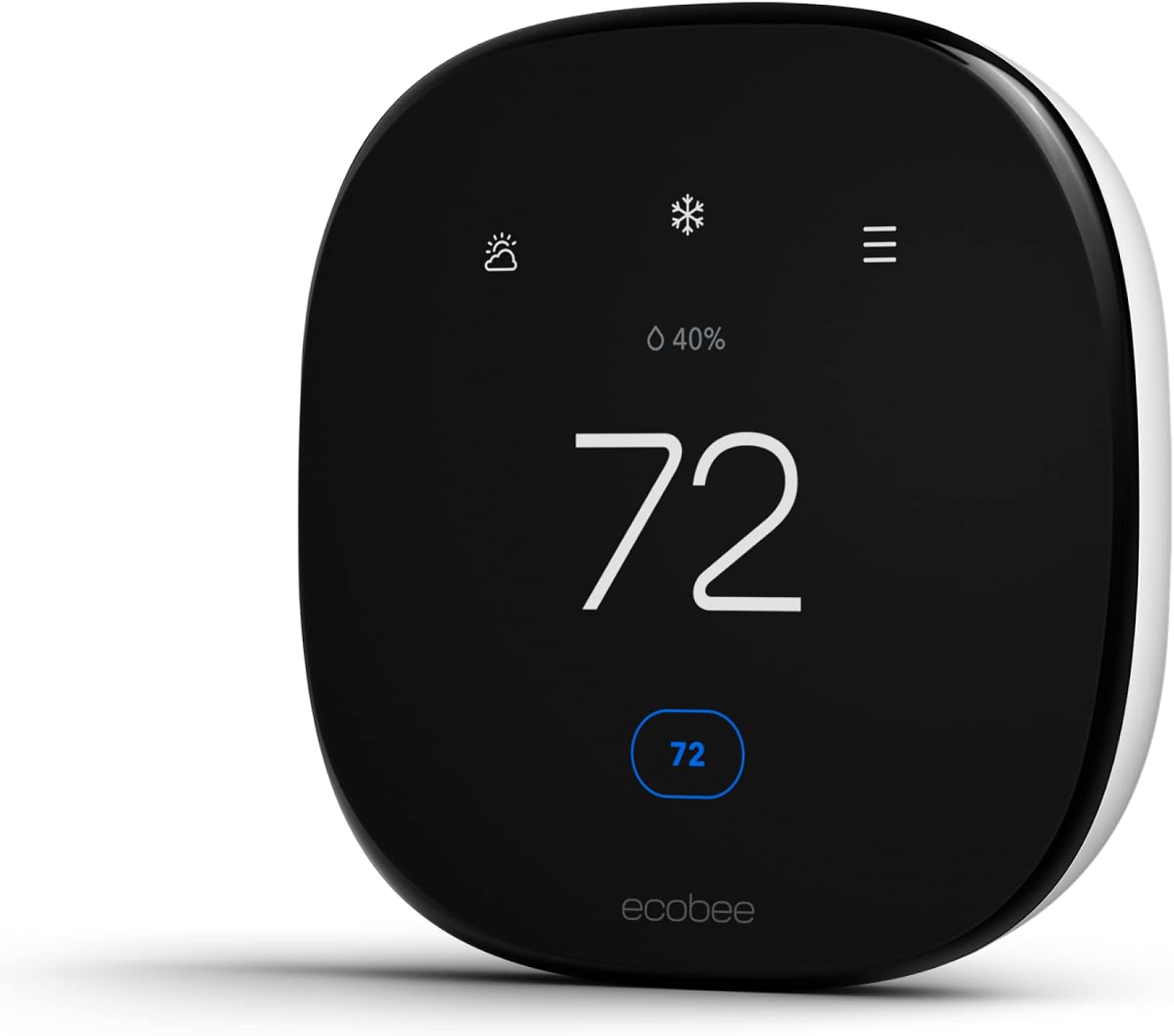 ecobee Smart Thermostat Enhanced
Energy-focused smart automation
Checked Aug 13, 2026$183.81Buy It Now on Amazon
Best for zoned properties
ecobee Smart Thermostat Enhanced
Energy-focused smart automation
Checked Aug 13, 2026$183.81Buy It Now on Amazon
Best for zoned properties
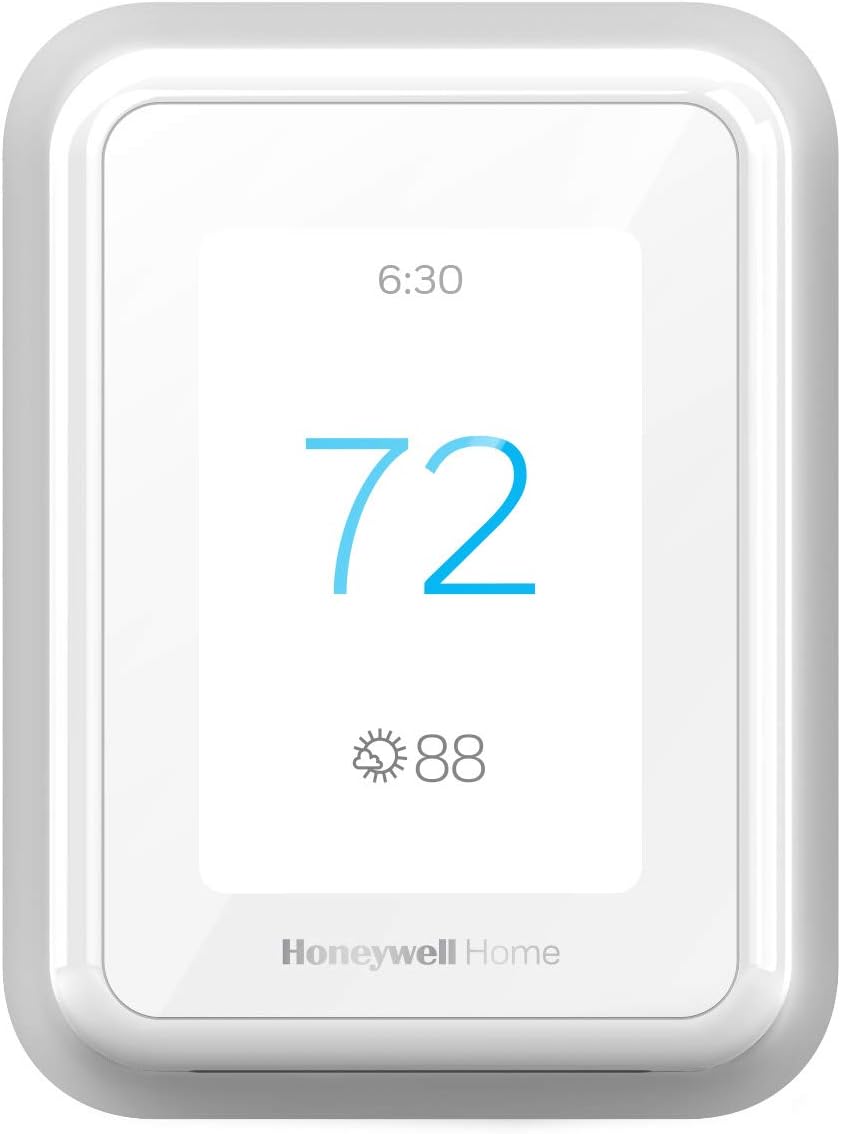 Honeywell Home T9 Wi-Fi Smart Thermostat
Room-sensor-ready temperature control
Checked Aug 13, 2026$174.78Buy It Now on Amazon
Honeywell Home T9 Wi-Fi Smart Thermostat
Room-sensor-ready temperature control
Checked Aug 13, 2026$174.78Buy It Now on Amazon
Product details and available prices were refreshed through Amazon Creators API on Aug 13, 2026. Prices and availability may change. As an Amazon Associate, Checkmate may earn from qualifying purchases.
We've analyzed the market from a host's perspective, focusing on reliability, remote features, and guest-friendliness. Since smart thermostats depend on stable internet connectivity, pairing them with reliable networking equipment ensures optimal performance. Here are the top contenders for the best thermostat for your rental property.
1. Google Nest Thermostat: Best for Simplicity and Design
The Google Nest Thermostat is synonymous with smart home technology for good reason. Its sleek design and intuitive interface make it recognizable and approachable for guests of all tech levels. Like other smart monitoring devices for rental properties, including property security systems, this affordable version of Nest's offerings maintains the essential features hosts need at a sensible price.
Pros for Hosts:
- Ease of Use: An intuitive interface with a simple turn-and-press dial that guests understand.
- Remote Control: The excellent, responsive app lets you adjust settings remotely and receive alerts if temperatures fall outside your set parameters.
- Energy Savings: The Savings Finder suggests schedule optimizations to reduce energy consumption.
- Affordability: At $129-$149, it's significantly cheaper than the Nest Learning Thermostat while retaining essential features.
Cons for Hosts:
- No Remote Sensors: Cannot measure temperature in rooms other than the one where the thermostat is installed.
- Advanced Features: Lacks detailed reporting and machine learning capabilities of premium models.
Best For: Hosts prioritizing guest-friendliness, simple remote control, and a budget-friendly price for single-room or open-plan properties where modern appliances for rentals need to be both functional and intuitive—making it one of the best thermostats for short-term rentals.
2. Ecobee Smart Thermostat Premium/Enhanced: Best for Data and Efficiency
The Ecobee Smart Thermostat lineup stands out for its data-driven climate management. The included SmartSensor, which allows the system to measure and respond to temperatures beyond the main thermostat's location, sets Ecobee apart. This is a game-changer for larger or multi-floor properties with temperature imbalances, especially when integrated with other smart home security systems for comprehensive property automation.
Pros for Hosts:
- Remote Sensors: The SmartSensor averages temperature across your property, ensuring consistent comfort throughout, not just where the thermostat is.
- Detailed Reporting: Access comprehensive energy usage data to track savings and identify optimization opportunities.
- Excellent Integrations: Works seamlessly with all smart home platforms including Alexa, Google Home, Apple HomeKit, and SmartThings.
- Built-in Alexa: The Premium model functions as a smart speaker, adding value for guests who enjoy voice controls.
Cons for Hosts:
- Higher Cost: The premium model costs $249-$299, while the Enhanced model is around $189-$219.
- Slightly More Complex: The interface offers more options that may overwhelm some guests.
Best For: Hosts with larger, multi-room properties seeking maximum energy efficiency and detailed data to track their investment.
3. Honeywell Home T9 WIFI Smart Thermostat: Best for Zoned Properties
Honeywell brings decades of HVAC experience to the smart thermostat market. The T9 model addresses a critical problem for vacation rentals: temperature inconsistency between rooms. With superior sensor technology and room-specific controls, it is valuable for properties with challenging heating and cooling dynamics.
Pros for Hosts:
- Superior Room Sensors: Support up to 20 sensors measuring temperature, humidity, and occupancy.
- Room Prioritization: You can program the system to prioritize specific rooms (like bedrooms at night) for maximum comfort.
- Reliable App: The Resideo app offers robust remote management and straightforward scheduling.
Cons for Hosts:
- Sensor Cost: One sensor is included. Additional ones are sold separately at about $40 each.
- Less "Sleek": The rectangular white design is more utilitarian than stylish compared to competitors.
Best For: Hosts with properties that have multiple zones or significant temperature imbalances between rooms.
4. Wyze Thermostat: Best Ultra-Budget Option
Wyze has built a reputation for delivering impressive smart home functionality at market prices. Their thermostat continues this tradition. For hosts operating on tight margins or outfitting multiple properties, the Wyze Thermostat provides essential remote management capabilities at an unbeatable price.
Pros for Hosts:
- Extremely Low Price: It costs less than half of most competitors, at around $70-$90.
- Core Smart Features: Includes basics such as remote control, scheduling, usage statistics, and temperature limits.
- Simple Installation: A guided, step-by-step setup process that is manageable for novice DIYers.
Cons for Hosts:
- Fewer Integrations: Compatible with Alexa and Google Assistant but lacks support for other smart home ecosystems.
- Simpler App: The app provides basic functionality but lacks the analytics depth of premium models.
- No "Learning": Relies entirely on manually created schedules instead of adapting automatically to patterns.
Best For: Hosts on a tight budget or those with a large property portfolio needing a functional, no-frills remote management solution.
Why a Smart Thermostat is Essential for Every STR Host
A smart thermostat is a powerful business tool that goes beyond basic comfort. Here's how it impacts your bottom line and operations:
Cut Energy Bills
Heating and cooling account for 40-50% of a property's energy consumption. Guests often set extreme temperatures or leave systems running when they're out, since they aren't paying the utility bills. A smart thermostat can reduce these costs by 15-20% through scheduling, automatic adjustments, and remote management. For a property with $300 monthly HVAC costs, that's up to $720 in annual savings, enough to pay for the thermostat several times over.
Gain Complete Remote Control & Peace of Mind
The ability to monitor and adjust your property's temperature remotely is game-changing for hosts. With a remote thermostat for vacation rentals, you can ensure the system is off between guests, pre-heat or pre-cool before arrivals, and troubleshoot guest comfort issues without an in-person visit. This capability eliminates unnecessary trips to the property and allows you to manage climate settings for multiple properties from a single smartphone app.
Enhance Guest Experience
Today's travelers expect modern amenities, and a smart thermostat delivers a premium feel. Guests arrive in a perfectly comfortable space instead of waiting for the property to reach an appropriate temperature. The intuitive interfaces of modern smart thermostats are easier for guests to understand than older models, reducing confusion and support calls. Many guests mention comfortable temperatures in 5-star reviews, impacting your listing's performance.
Protect Your Property from Damage
Smart thermostats protect your investment beyond convenience and savings. Freeze protection alerts notify you if temperatures drop dangerously low, preventing catastrophic pipe bursts that can cause tens of thousands in damage. Some models monitor humidity levels, alerting you to conditions that could lead to mold. These features save your property from disaster during vacant periods or extreme weather.
Key Features for an Airbnb Smart Thermostat
Not all smart thermostats are equal, especially for rentals. Here are the key features to prioritize:
Remote Access and Control
The cornerstone of a smart thermostat's value for rental hosts is this capability. Look for a reliable, intuitive app to check temperatures, adjust settings, and receive alerts from anywhere. The best apps provide historical data to understand usage patterns and identify savings opportunities. Consider whether the system requires a separate hub or connects directly to WiFi, as the latter is easier to set up and maintain.
Temperature Limiting / Lockout Features
The ability to set temperature boundaries is the most crucial money-saving feature for hosts. A proper thermostat lock function prevents guests from setting extreme temperatures (like 60°F in summer or 85°F in winter) that drive up utility costs and strain your HVAC system. Most quality smart thermostats allow you to set minimum and maximum temperature thresholds, so guests can adjust within a reasonable range for comfort without going overboard. This feature often pays for the entire device within the first year.
Easy Scheduling and Automation
Automated schedules tailored to your booking calendar are invaluable. Look for a thermostat that allows easy programming of default temperatures for different times and occupancy states. Some advanced models offer geofencing, which detects when the property is empty and adjusts settings, but this works best for owner-occupied homes rather than rentals with rotating guests. The schedule should be easy to override remotely for incoming guests.
Guest-Friendly Interface
The physical thermostat interface is critical for guest satisfaction. A confused guest leads to negative reviews or unnecessary support calls. Look for models with intuitive controls like simple touch screens or dials instead of multiple buttons with complex functions. The display should be large and clear enough to read from across the room, with temperature and basic status information visible at a glance. Some hosts include brief thermostat instructions in their welcome guides to ensure guests can manage their comfort easily.
HVAC Compatibility and Installation
Before purchasing, verify compatibility with your HVAC system. Most smart thermostats work with conventional forced air systems, but if you have baseboard heating, multi-stage systems, or heat pumps, check compatibility. Many require a C-wire (common wire) for power, which older homes might not have. If your system lacks a C-wire, look for models that work without one or include power adapter kits to solve this issue without expensive rewiring.
Energy Usage Reports
Energy consumption analytics help quantify savings and identify abnormal usage patterns. The best smart thermostats provide reports showing system run times, peak usage, and usage comparisons. Some estimate cost savings from smart features. These reports prove your investment’s ROI and help spot potential HVAC issues before they require expensive repairs.
Conclusion
One of the highest-ROI investments for your vacation rental business is a smart thermostat. Most units pay for themselves within a year, with potential energy savings of 15-20%. Beyond cost benefits, the ability to remotely monitor and control your property's climate provides peace of mind and reduces operational headaches of managing properties from afar.
Whether you choose the sleek Nest, data-rich Ecobee, room-specific Honeywell T9, or budget-friendly Wyze, you're making a smart business decision. The key is selecting a model that aligns with your property's needs and management style. Features like temperature limits and remote access are non-negotiable for any rental property.
By automating key property aspects like climate control, you save money and free up time to focus on boosting your rental's profitability and delivering a five-star experience. In today's competitive short-term rental market, these small advantages in efficiency, guest experience, and property protection add up to a significant edge.