
Pittsburgh is the best place to buy an Airbnb in Pennsylvania for the strongest current balance of visitor demand, housing cost, and year-round trip reasons. The Poconos are the best leisure-market choice, while Philadelphia offers the deepest urban demand with the most demanding approval path. The seven Pennsylvania markets worth underwriting first are:
- Pittsburgh: Best overall balance
- The Poconos: Best for year-round leisure demand
- Philadelphia: Best for high-volume urban demand
- Lancaster: Best for a diversified leisure market
- Erie: Best lower-cost entry market
- State College: Best event-driven market
- Gettysburg: Best heritage-tourism niche
| Rank | Market | 2024 county visitor spending | Median owner-occupied home value | Primary underwriting issue |
|---|---|---|---|---|
| 1 | Pittsburgh | $6.98 billion | $227,600 | Confirm the current rental-permit enforcement status |
| 2 | The Poconos | $2.80 billion | $267,600 | Rules and permit costs vary by municipality |
| 3 | Philadelphia | $6.54 billion | $243,100 | Use, zoning, and license eligibility can determine the deal |
| 4 | Lancaster | $2.72 billion | $301,100 | City zoning and rental registration narrow eligible inventory |
| 5 | Erie | $1.15 billion | $177,000 | Annual licensing, inspection, and insurance requirements |
| 6 | State College | $1.01 billion | $323,500 | Principal-residence rules limit pure investment properties |
| 7 | Gettysburg | $809.2 million | $268,500 | Property classification, local contact, and lodging approval |
The demand figures are direct 2024 visitor spending from Pennsylvania’s latest official county tourism report. Housing figures are 2020–2024 median values for owner-occupied homes from the U.S. Census Bureau. A county median is a screening input, not the expected purchase price of a legal short-term rental.
How We Ranked Pennsylvania Airbnb Markets
This ranking starts with demand, acquisition cost, operating durability, and legal feasibility rather than a vendor’s projected revenue. County visitor spending measures the size of the travel economy. Census housing value provides a consistent cost benchmark. Local rules reveal whether an otherwise attractive property can operate legally.
The order is a shortlist for investigation, not a promise that the first market will produce the highest return. County tourism spending includes more than lodging, and a countywide home value does not describe a particular neighborhood or property. A viable investment still depends on the address, permitted use, nightly-rate evidence, operating costs, financing, and the home’s ability to win bookings.
1. Pittsburgh: Best Overall Balance

Pittsburgh ranks first because Allegheny County recorded $6.98 billion in 2024 visitor spending while its $227,600 median owner-occupied home value was below Pennsylvania’s $254,500 statewide median. Among the seven markets, only Erie had a lower county housing benchmark. That combination creates a stronger starting relationship between travel demand and acquisition cost than the other large Pennsylvania destinations.
Pittsburgh Airbnb Seasonality
The market is not dependent on one attraction or one season. Universities, hospitals, professional sports, conventions, cultural institutions, family visits, and corporate travel create separate reasons to book. For underwriting, that diversity matters because it can reduce reliance on a few peak weekends.
Pittsburgh Airbnb Regulations
Pittsburgh’s Residential Housing Rental Permit Program rules include short-term homestays in the definition of rental units. The city’s latest published implementation update says registration remains voluntary until further notice and promises at least 30 days’ notice before full enforcement. Treat compliance work and a possible permit requirement as real operating risks even while enforcement remains voluntary.
Best Pittsburgh Airbnb Investment Property
Favor a property with durable neighborhood demand, practical parking or transit access, and a layout that works for both weekend and weekday guests. Underwrite ordinary weeks first. Sports, graduation, and event premiums should improve the result rather than rescue a weak base case.
2. The Poconos: Best for Year-Round Leisure Demand

Monroe County generated $2.80 billion in 2024 visitor spending, slightly more than Lancaster County and far more than the smaller Erie, Centre, and Adams County travel economies. The $267,600 county housing benchmark was close to the statewide median. The region earns second place because lakes, water parks, hiking, skiing, racing, and group trips can produce demand across multiple seasons.
Best Poconos Areas for Airbnb Investment
Start with established vacation-home areas around Tobyhanna, Pocono Pines, Long Pond, Tannersville, and nearby communities, then evaluate the exact parcel. The township, zoning district, private community, septic capacity, parking, bedroom count, and occupancy limit can matter more than the mailing address.
Poconos Airbnb Regulations
There is no single Poconos permit. Monroe County publishes a model short-term-rental ordinance, while municipalities administer their own zoning and operating rules. Tobyhanna Township, for example, maintains dedicated short-term-rental administration and permit services. A property inside a private community may also face deed or association restrictions separate from municipal approval.
Best Poconos Airbnb Investment Property
Favor a home whose capacity, parking, wastewater system, and amenities all support the same guest count. Model snow removal, private-road or association charges, well and septic maintenance, hot-tub service, utilities, and emergency response. Large advertised occupancy is not valuable when the legal or physical capacity is lower.
3. Philadelphia: Best for High-Volume Urban Demand

Philadelphia County recorded $6.54 billion in 2024 visitor spending, the second-highest total in this comparison. Its $243,100 median owner-occupied home value was below the statewide benchmark. Philadelphia ranks behind Pittsburgh and the Poconos because the demand is substantial but the legal path can be much narrower for a non-owner-occupied investment.
Philadelphia Airbnb Demand and Seasonality
History, museums, universities, hospitals, conventions, sports, concerts, business travel, and family visits support a broad booking base. A useful location should have a clear reason for guests to choose it and a realistic transportation plan; citywide demand does not make every block equally competitive.
Philadelphia Airbnb Regulations
Philadelphia’s official short-term rental guidance requires zoning approval and the appropriate licenses. Renting a primary residence generally uses the Limited Lodging path. A property without a primary resident generally falls under Visitor Accommodation and needs the zoning and rental-license path applicable to that use. Verify the parcel’s permitted use before treating it as short-term-rental inventory.
Best Philadelphia Airbnb Investment Property
Buy only after the use path is established in writing for the address. Then model a conservative nightly rate against parking, cleaning logistics, security, noise management, city taxes, insurance, and the cost of furnishing a property for shorter urban stays. A low purchase price cannot compensate for an ineligible use.
4. Lancaster: Best for a Diversified Leisure Market
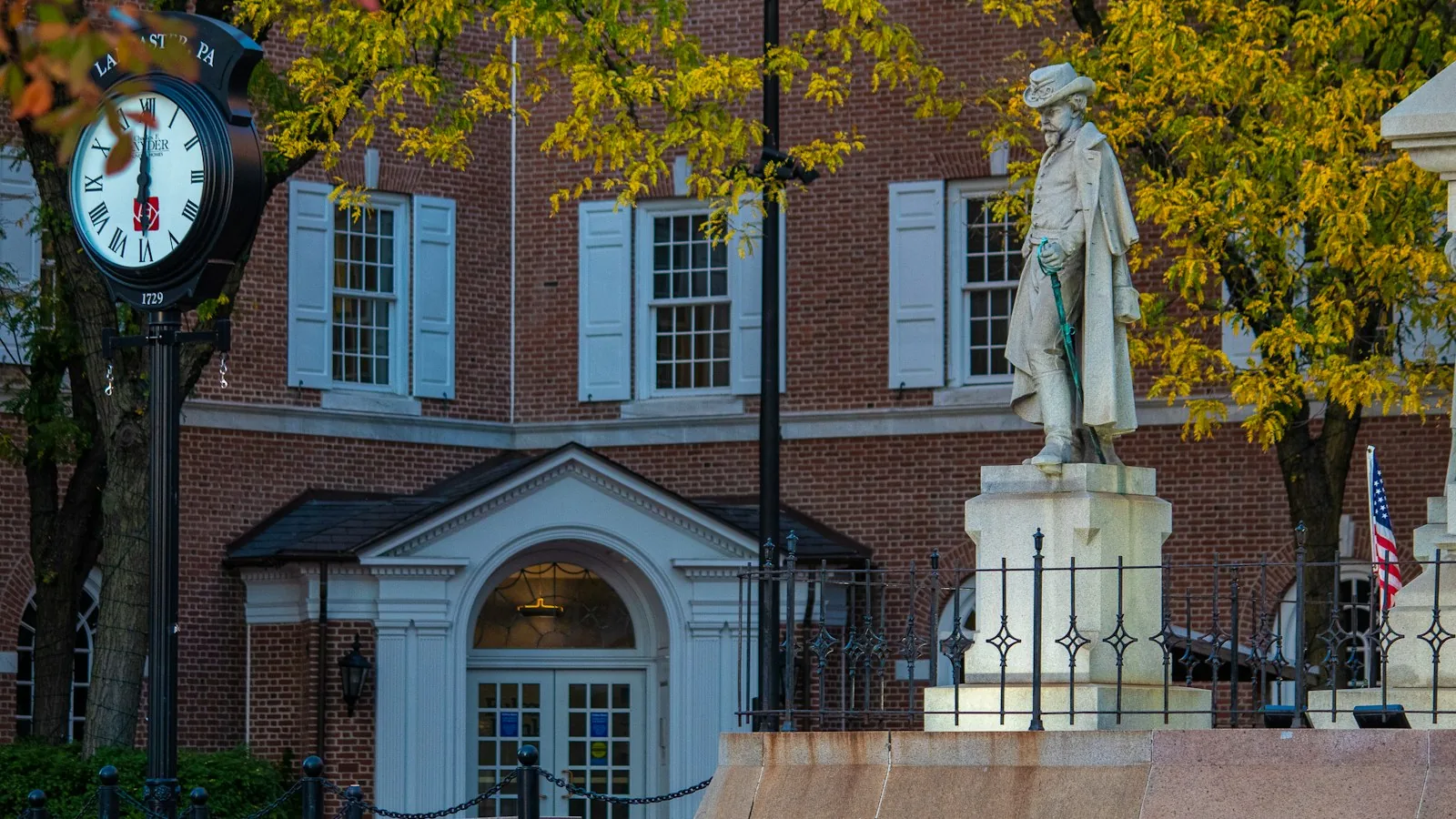
Lancaster County produced $2.72 billion in 2024 visitor spending. Its $301,100 median owner-occupied home value was higher than the statewide benchmark, so the investment case rests on durable demand rather than unusually cheap housing. Family attractions, heritage tourism, food, shopping, events, and access to Amish Country provide more than one trip purpose.
Lancaster Airbnb Regulations
Lancaster City’s official short-term-rental page says short-term rentals and homestays are allowed only in specified zoning districts and require a Certificate of Zoning Compliance and city rental license. Registration as a transient dwelling rental unit and inspection are part of the city process. Properties elsewhere in Lancaster County fall under their own municipality’s rules.
Best Lancaster Airbnb Investment Property
Favor a property close to several demand generators rather than one attraction, with off-street parking and a layout suitable for families or small groups. Price the city or township approval path before closing, and do not assume that county tourism strength establishes eligibility at a particular address.
5. Erie: Best Lower-Cost Entry Market
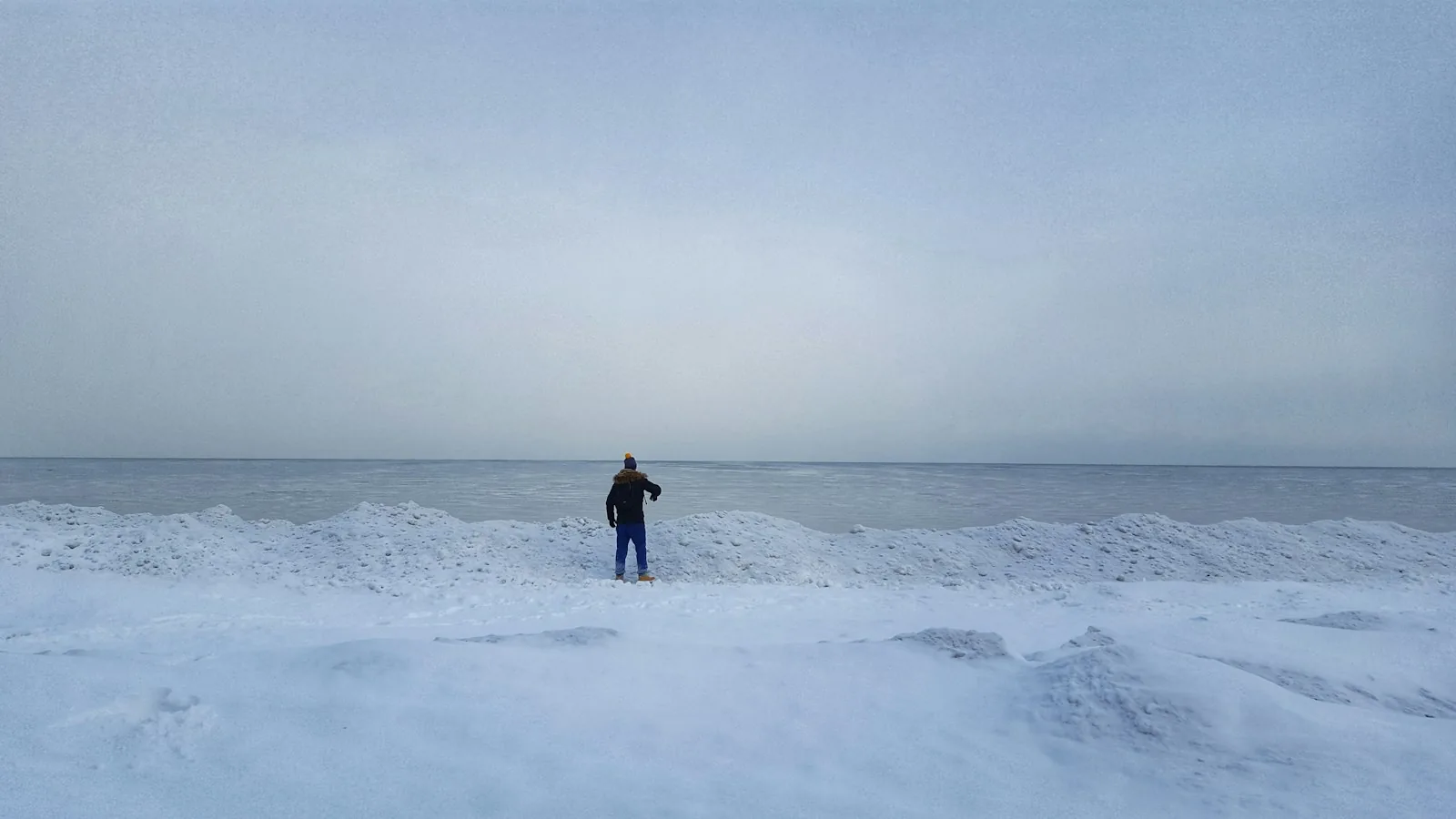
Erie County’s $177,000 median owner-occupied home value was the lowest of the seven counties, while 2024 visitor spending reached $1.15 billion. Erie ranks fifth because the lower cost basis is attractive, but its travel economy is smaller and more seasonal than the leaders.
Erie Airbnb Demand and Seasonality
Presque Isle, Lake Erie recreation, events, family travel, and regional business create identifiable demand. The downside is seasonal concentration. A sound purchase should survive lower winter occupancy without depending on summer rates all year.
Erie Airbnb Regulations
Under Erie’s rental code, short-term rentals are licensed for one-year terms, inspected annually, and subject to specified insurance requirements. The code requires at least $500,000 in general liability, hazard, and casualty coverage per rental unit. Include licensing, inspection work, insurance, and winter carrying costs in the base case.
6. State College: Best Event-Driven Market

Centre County recorded $1.01 billion in 2024 visitor spending and a $323,500 median owner-occupied home value, the highest cost benchmark in this shortlist. State College remains investable for the right operator because university events create exceptional compression nights, but it ranks sixth because those peaks are episodic and the borough’s principal-residence requirement restricts a conventional investor strategy.
State College Airbnb Regulations
The borough’s short-term-rental application requirements include a separate rental housing permit, proof of principal residence, parking plan, liability insurance, and other documents. The published annual license fee is $450. A pure non-owner-occupied acquisition should not be underwritten as a lawful borough short-term rental unless the proposed use independently qualifies.
Best State College Airbnb Investment Property
This market fits an eligible owner who can monetize high-demand weekends while using the home as a genuine principal residence. Separate event-night revenue from ordinary-night revenue, cap the number of premium nights, and test whether the annual result still works after vacancy, turnover, insurance, and compliance costs.
7. Gettysburg: Best Heritage-Tourism Niche
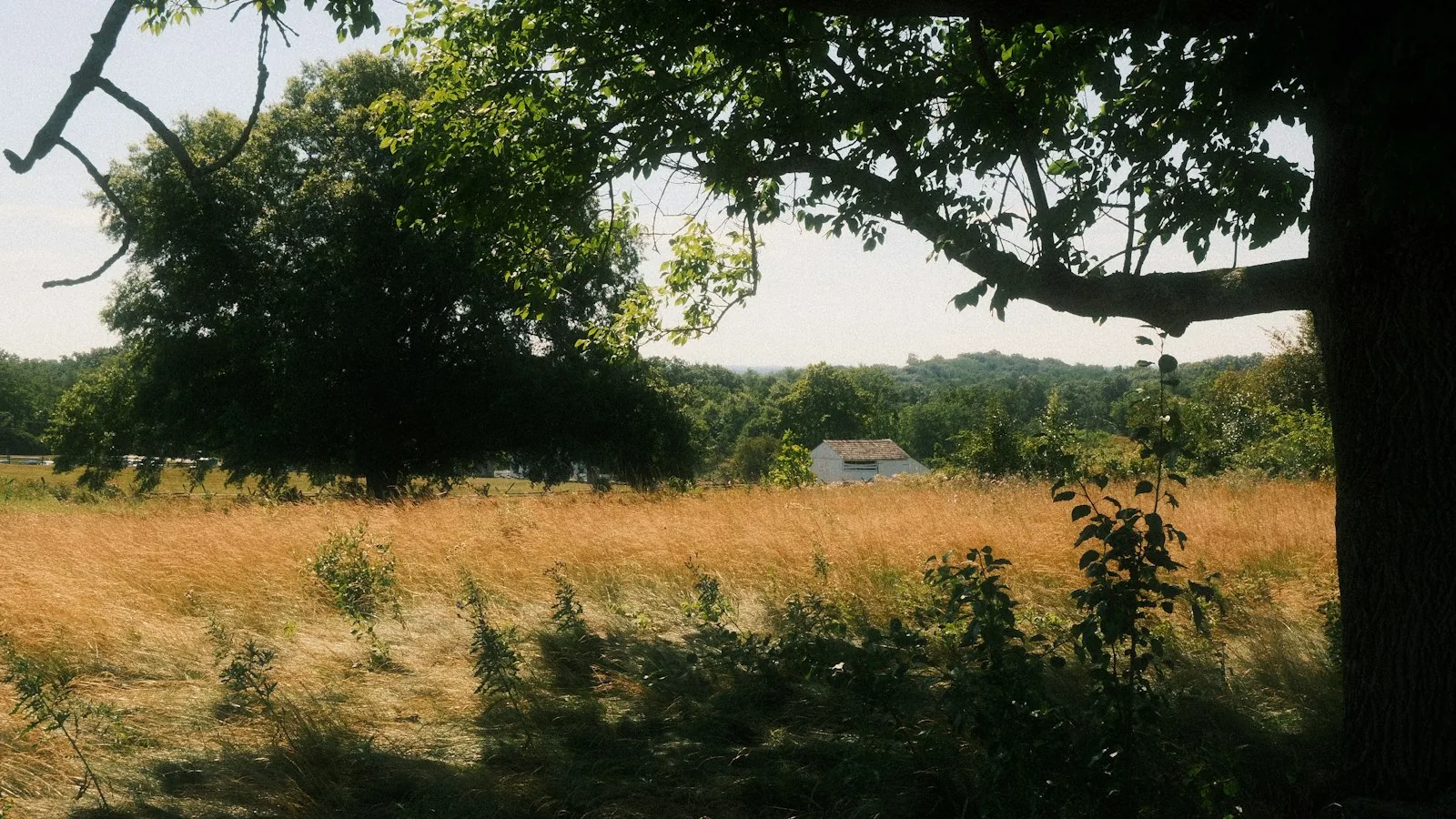
Adams County generated $809.2 million in 2024 visitor spending and had a $268,500 median owner-occupied home value. Gettysburg ranks seventh because it has a clear, durable visitor reason but a smaller travel economy than the other markets in this comparison.
Gettysburg Airbnb Regulations
Gettysburg’s official short-term lodging application distinguishes vacation rentals from homestays. Vacation-rental applications require a local contact who is available around the clock and within a 15-minute drive, plus a site plan, floor plan, and Adams County hotel-tax registration. Those operating requirements should be solved before acquisition.
Best Gettysburg Airbnb Investment Property
Favor walkability or a direct connection to the area’s principal attractions, practical parking, and a home whose historic character does not create unbudgeted safety or maintenance work. Model demand outside peak tourism dates and avoid assuming that heritage appeal produces uniform year-round occupancy.
Pennsylvania Short-Term Rental Taxes
Pennsylvania’s Department of Revenue applies the 6% state hotel occupancy tax to lodging rented for fewer than 30 days. Booking agents may collect and remit the tax when they facilitate the reservation and payment, but that does not eliminate every host obligation. Philadelphia and Allegheny County also have additional local tax layers, and other counties may administer hotel taxes locally.
Tax collection is separate from zoning, licensing, and insurance. A platform collecting one tax does not prove that the property is legally permitted or that every local filing has been completed. Our Pennsylvania short-term rental laws guide explains the statewide and local compliance framework in more detail.
How to Calculate Whether a Pennsylvania Airbnb Deal Works
Build the forecast from nights and costs rather than copying a headline ROI:
- Available nights: Start with 365, then subtract owner use, maintenance blocks, and any legal rental limits.
- Occupied nights: Multiply available nights by a conservative occupancy assumption supported by comparable legal rentals.
- Gross booking revenue: Multiply occupied nights by the average collected nightly rate, then add only recurring fees the owner actually retains.
- Net operating income: Subtract management, cleaning shortfalls, utilities, supplies, repairs, maintenance, insurance, licenses, association charges, and property taxes.
- Cash flow: Subtract annual debt service and capital reserves from net operating income.
- Cash-on-cash return: Divide annual pre-tax cash flow by the total cash invested, including down payment, closing costs, furnishing, repairs, and required permit work.
Use three cases. The downside case should combine a lower nightly rate, fewer occupied nights, and higher repairs rather than changing one assumption at a time. The base case should exclude exceptional event pricing unless those dates recur predictably. The upside case is useful for capacity planning, not for deciding the maximum purchase price.
What to Check Before Making an Offer
- Permitted use: Obtain the current zoning classification and the municipality’s written short-term-rental requirements for the exact parcel.
- Private restrictions: Read the deed, association declaration, rules, and amendments for rental-duration or occupancy limits.
- Legal capacity: Reconcile bedrooms, septic capacity, parking, fire-safety rules, and occupancy limits.
- Comparable stays: Use properties with similar location, capacity, amenities, and legal status; separate booked evidence from asking prices.
- Seasonality: Forecast monthly nights and rates so peak demand does not hide weak shoulder periods.
- Operating response: Price cleaning, inspections, snow, landscaping, maintenance, and after-hours coverage at the property’s actual location.
- Insurance and taxes: Obtain a policy written for the intended rental use and identify every state, county, and municipal filing.
- Exit value: Confirm that the purchase still makes sense as a long-term rental or resale if short-term-rental rules or demand change.
Bottom Line
Pittsburgh offers the strongest overall balance in this first-principles screen. The Poconos are the best leisure-market option, and Philadelphia has the greatest urban opportunity for a property with a confirmed legal use. Lancaster offers diversified tourism, Erie provides the lowest county housing-cost benchmark, State College fits eligible principal-residence operators, and Gettysburg offers a focused heritage niche. Choose the address only after local eligibility and a downside cash-flow model both work; market popularity cannot repair a prohibited use or an overleveraged purchase.